
3D Printing Materials Comparison — AMNURI
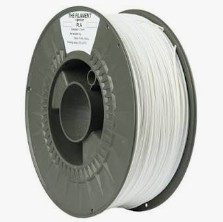
PLA
Easy-to-print standard material that holds its shape well. Low heat resistance.
- Material
- Plastic
- Process
- FDM
- Color
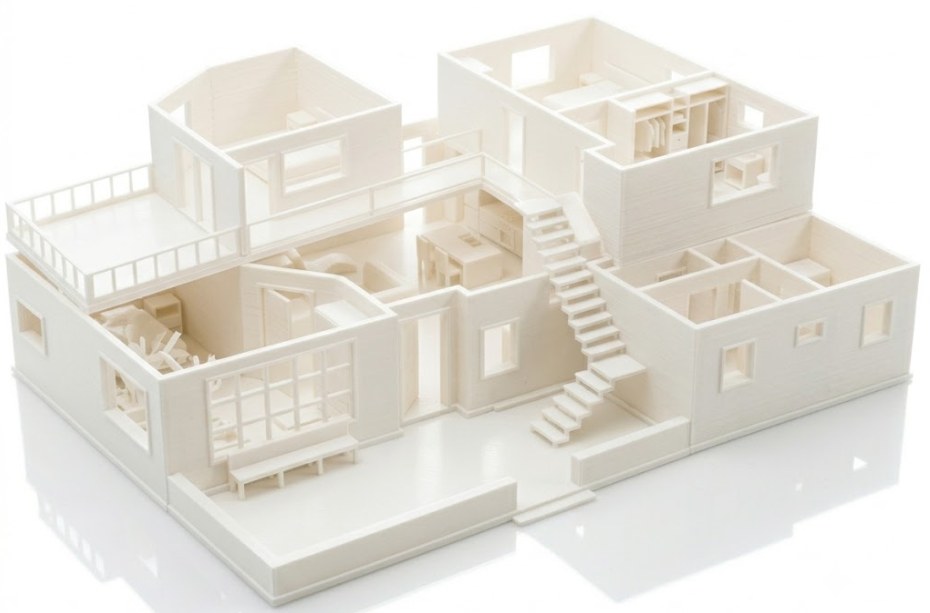
AM case 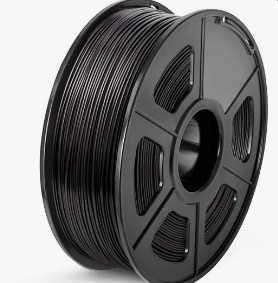
ABS
Tougher than PLA and handles a bit more heat. Easy to sand and post-process.
- Material
- Plastic
- Process
- FDM
- Color
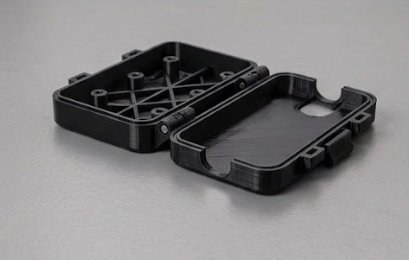
AM case 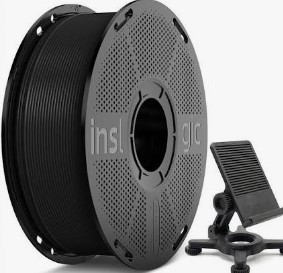
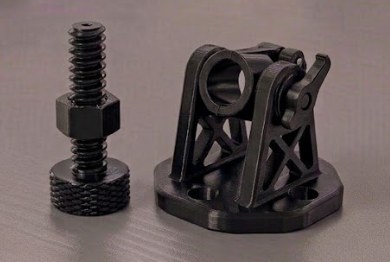
PETG
Tough and shatter-resistant, with good resistance to moisture and many chemicals.
- Material
- Plastic
- Process
- FDM
- Color
AM case 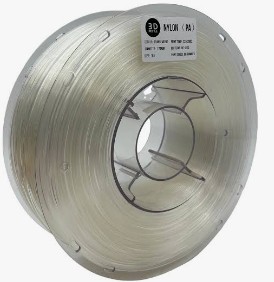
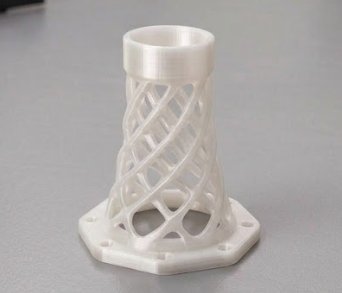
Nylon (PA)
Tough and wear-resistant. Absorbs moisture, so it needs careful storage.
- Material
- Plastic
- Process
- FDM
- Color
AM case 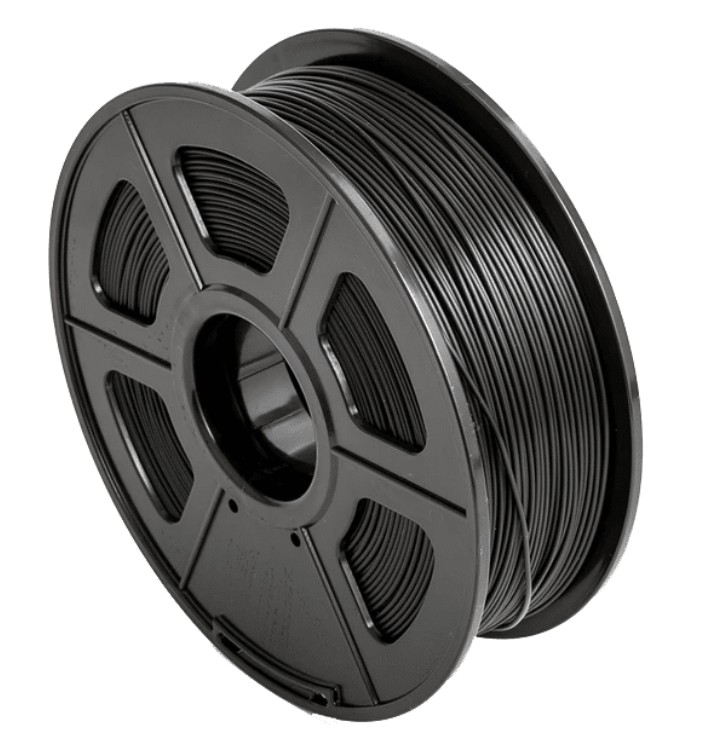
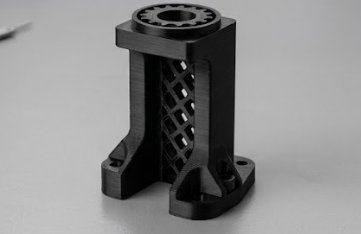
Polycarbonate (PC)
Rigid engineering plastic with good impact and heat resistance.
- Material
- Plastic
- Process
- FDM
- Color
AM case 
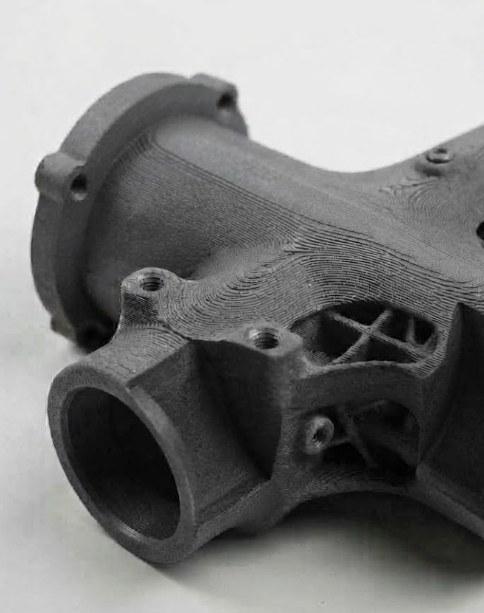
Carbon fiber (CF)
Nylon- or PET-based material filled with carbon fiber: light, stiff and dimensionally stable.
- Material
- Plastic
- Process
- FDM
- Color
AM case 
TPU
Flexible, rubber-like material that bends and springs back.
- Material
- Elastic
- Process
- FDM
- Color
- No color choice
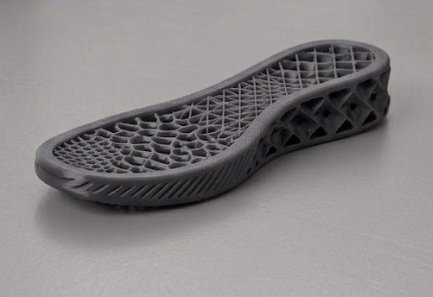
AM case 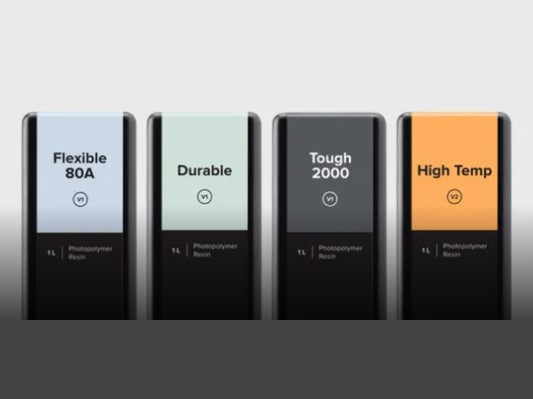
Standard Resin
Basic resin with a smooth surface and fine detail. Relatively brittle.
- Material
- Plastic
- Process
- SLA
- Color
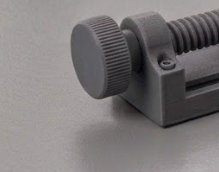
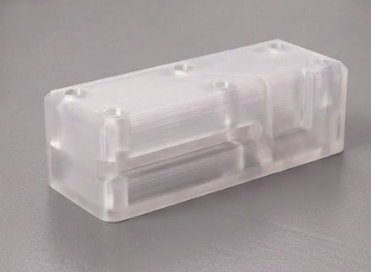
AM case Clear Resin
With polishing and coating, produces see-through parts.
- Material
- Plastic
- Process
- SLA
- Color
- Clear
AM case Tough Resin
Formulated to be less brittle than standard resin.
- Material
- Plastic
- Process
- SLA
- Color
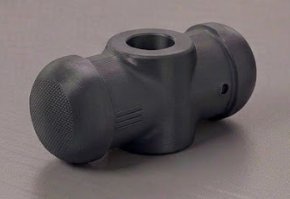
AM case High-Temp Resin
Keeps its shape in hot environments.
- Material
- Plastic
- Process
- SLA
- Color
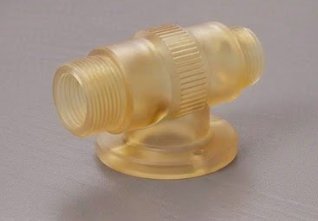
AM case Flexible Resin
Soft resin that bends.
- Material
- Elastic
- Process
- SLA
- Color
- No color choice
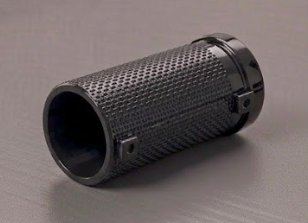
AM case 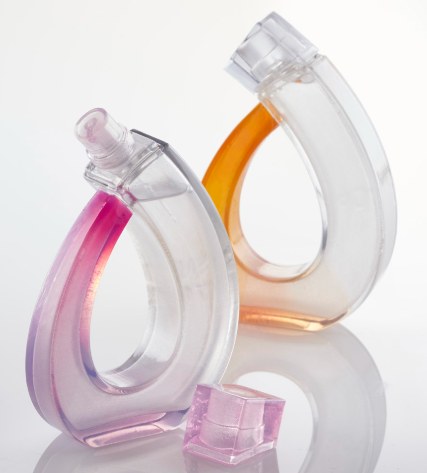
Rigid Photopolymer
Rigid with a smooth surface. Multiple colors can be combined in one part.
- Material
- Plastic
- Process
- PolyJet
- Color
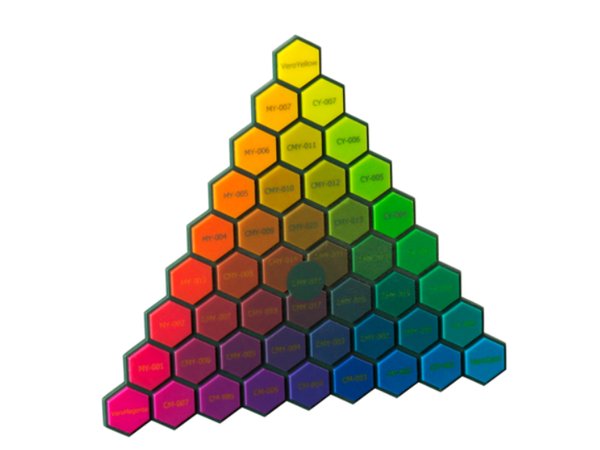
AM case Image: StratasysRubber-like Photopolymer
Soft, rubber-like material that can be printed together with rigid material.
- Material
- Elastic
- Process
- PolyJet
- Color
- No color choice
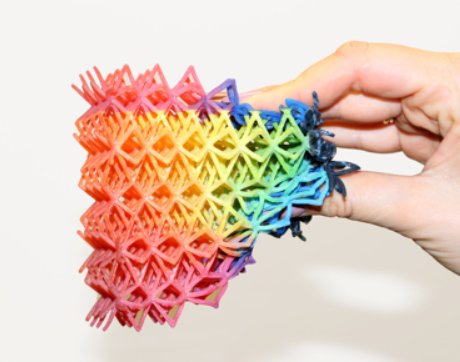
AM case Image: StratasysClear Photopolymer
For transparent parts, or translucent parts blended with other colors.
- Material
- Plastic
- Process
- PolyJet
- Color
- Clear

AM case Image: Stratasys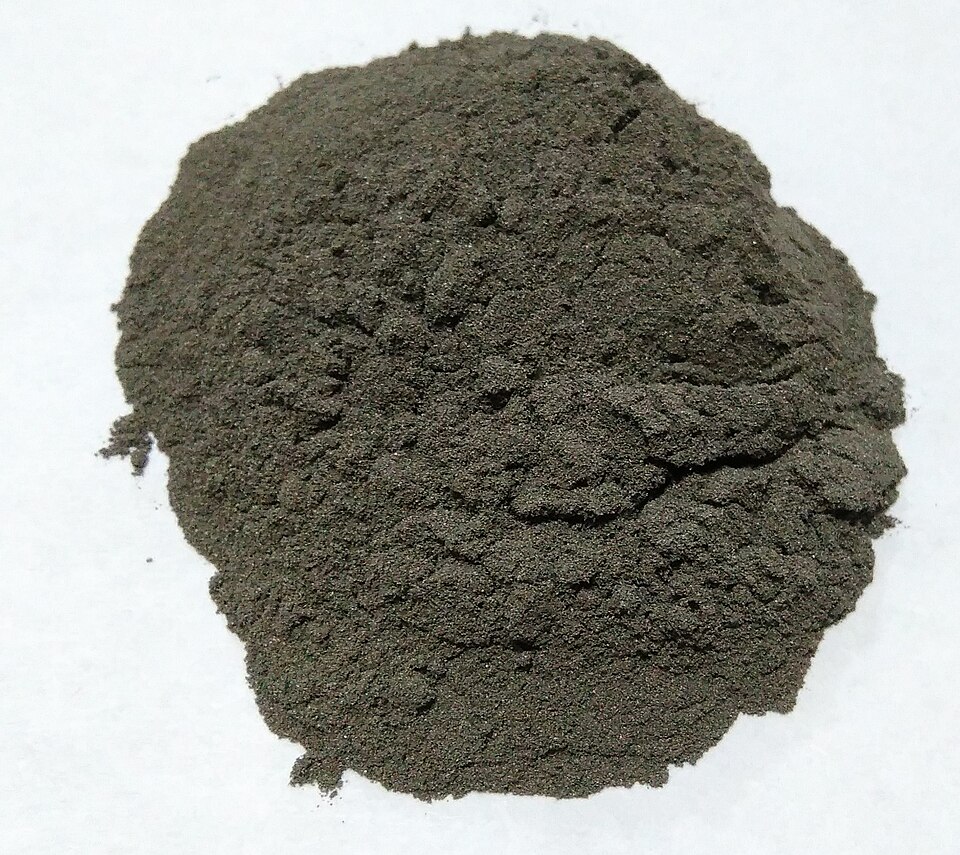
Stainless Steel
Corrosion-resistant, versatile metal.
- Material
- Metal
- Process
- Metal
- Color
- No color choice
Aluminum Alloy
Lightweight metal with good thermal conductivity.
- Material
- Metal
- Process
- Metal
- Color
- No color choice
Titanium Alloy
Strong for its weight and corrosion-resistant.
- Material
- Metal
- Process
- Metal
- Color
- No color choice
Nickel Superalloy
Alloy that keeps its properties at high temperatures.
- Material
- Metal
- Process
- Metal
- Color
- No color choice
Tool Steel
Hard and wear-resistant, used for molds and tooling.
- Material
- Metal
- Process
- Metal
- Color
- No color choice
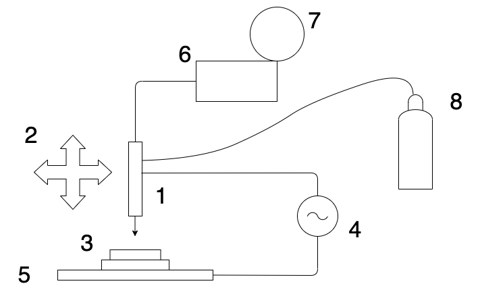
SUS 316L Wire
Stainless wire with molybdenum for good corrosion resistance.
- Material
- Metal
- Process
- Metal wire
- Color
- No color choice
SUS 308L Wire
General-purpose stainless wire matched to 304-type steels.
- Material
- Metal
- Process
- Metal wire
- Color
- No color choice
Inconel 625 Wire
Nickel alloy wire that resists corrosion and high heat.
- Material
- Metal
- Process
- Metal wire
- Color
- No color choice
Inconel 718 Wire
Nickel alloy whose high-temperature strength is raised by heat treatment.
- Material
- Metal
- Process
- Metal wire
- Color
- No color choice
Titanium Ti-6Al-4V Wire
The most widely used titanium alloy: light and strong.
- Material
- Metal
- Process
- Metal wire
- Color
- No color choice
Aluminum 4043 Wire
Silicon-bearing aluminum wire that is relatively easy to deposit.
- Material
- Metal
- Process
- Metal wire
- Color
- No color choice
Aluminum 5356 Wire
Magnesium-bearing aluminum wire, generally stronger than 4043.
- Material
- Metal
- Process
- Metal wire
- Color
- No color choice
Carbon Steel ER70S-6 Wire
The most common carbon steel wire, with a low cost.
- Material
- Metal
- Process
- Metal wire
- Color
- No color choice
Copper Alloy (Bronze) Wire
Copper alloys such as silicon and aluminum bronze, resistant to corrosion and wear.
- Material
- Metal
- Process
- Metal wire
- Color
- No color choice
Material property comparison
PLA · Tensile strength XY 31–54 MPa · Tensile strength Z 28–34 MPa
Tips for ordering
- Pick the material for the job: strength, heat resistance or flexibility.
- The process affects surface finish and accuracy.
- Size and quantity affect cost and lead time.
- Tell us if you need post-processing such as sanding, painting or heat treatment.
- Send STEP or STL files and note critical dimensions and tolerances.
Popular materials
- PLAWidely used for prototypes
- Nylon (PA)Tough, common for functional parts
- TPURubber-like flex for robot grippers, seals and grips
- Rubber-like resin (PolyJet)For soft-touch prototypes
- Titanium Ti-6Al-4VFor light, strong metal parts
- Inconel 718For parts that face high heat